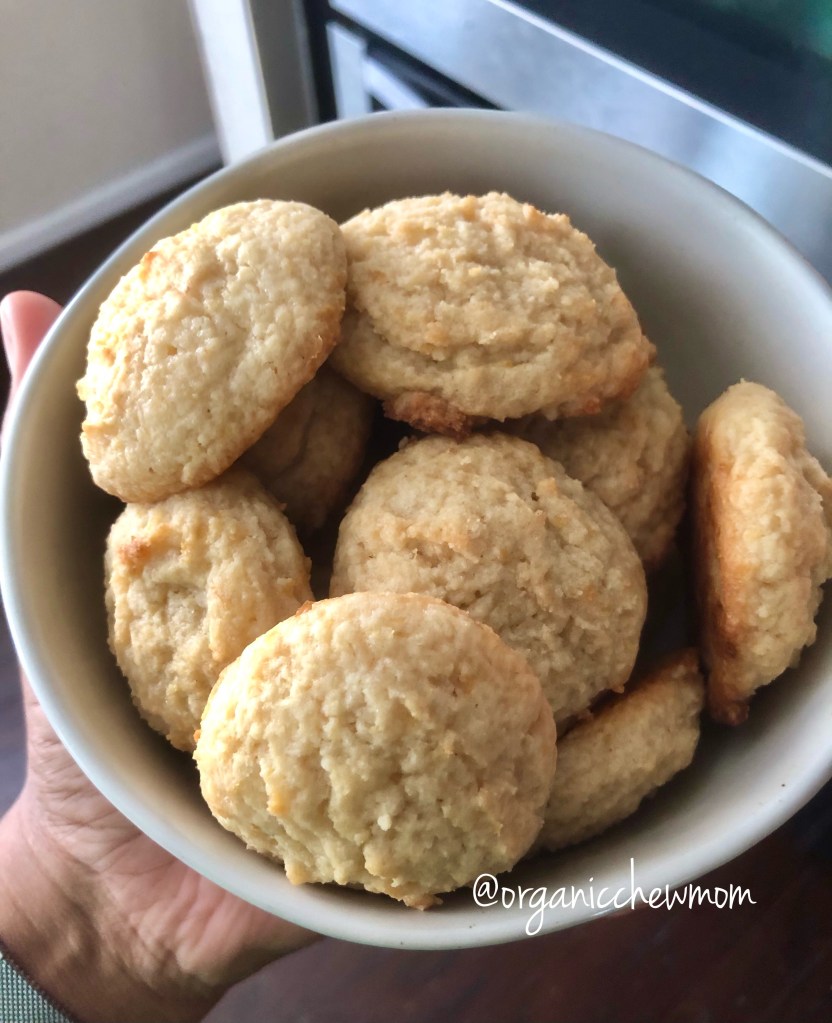
To break the monotony of our habitual chocolate indulgence, I decided to show the lemons some love and invite a little powerful citrus into our baking routine. This little handful of sunshine provides over 100% of the recommended daily serving of Vitamin C, an essential micronutrient for immune system support.
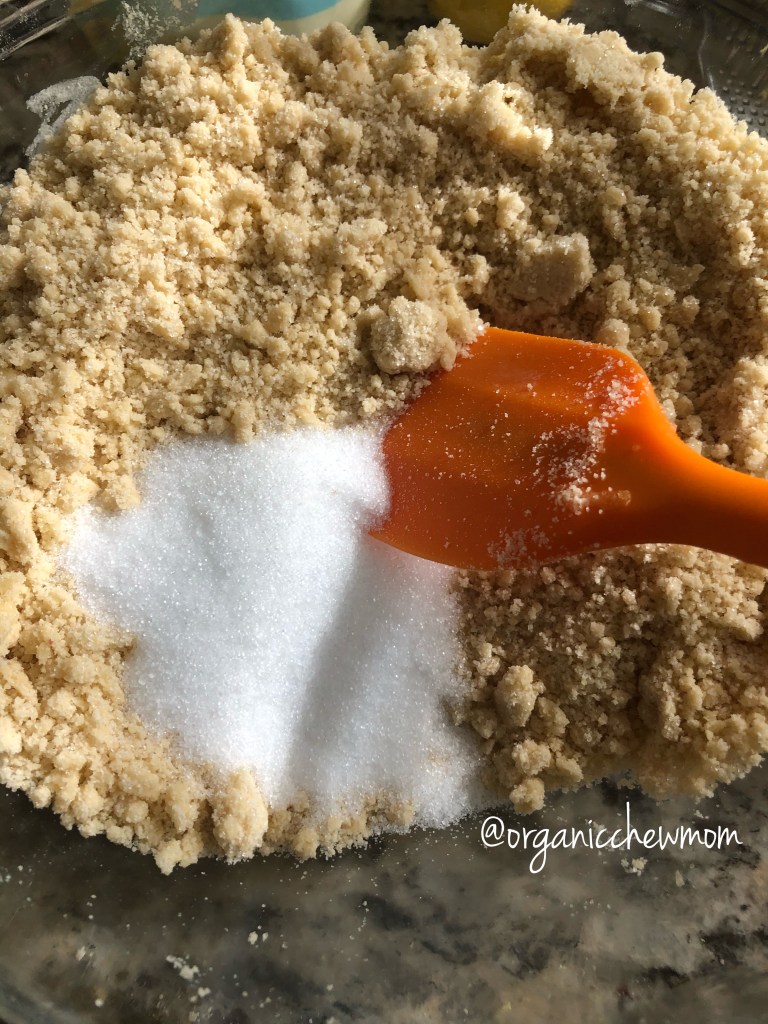
Our electric mixer gets a tremendous amount of use, but there’s something special about getting your hands and fingers wrapped around a mixture of butter and flour. We often think of self care as a visit to the massage therapist or a pedicure. While I could use both of these right now, churning and tossing these two ingredients in my hands will have to suffice as newfound self care during this pandemic. I’m convinced that blending the ingredients to a soft homogeneous mixture between my palms releases endorphins because of the resulting feelings of relaxation. Baking is therapeutic.

Mini Lemon Cookies
Ingredients 🌿
- 1 4oz stick Vegan Butter (8 tbs)
- 1.5 cups Organic All Purpose Flour
- 1 Medium Organic Lemon (zest & juice)
- 1/2 cup Organic Light Brown Sugar
- 1/4 cup Organic Cane Sugar
- 1/4 cup Erythritol Sweetener
- 1/2 tbs Baking Powder
Directions 🔖
- Preheat oven to 325 degrees
- In a medium bowl, mix flour and chopped butter together
- Add baking powder and sugars
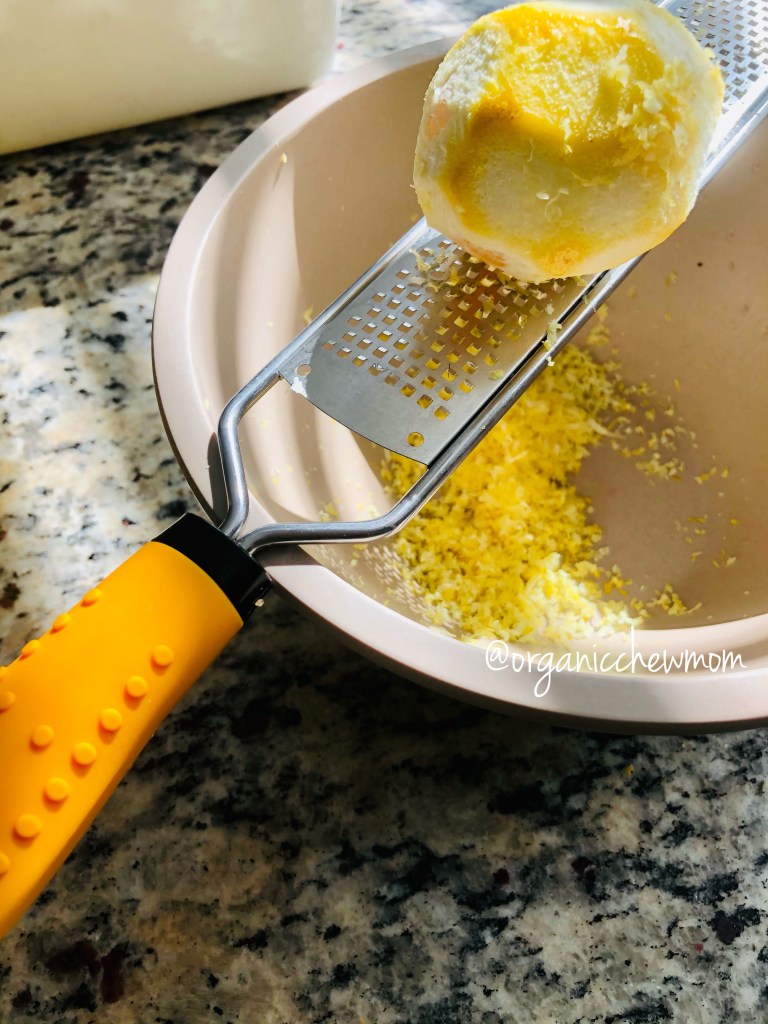
- Add zest of lemon
- Add juice of lemon
- Mix by hand with spatula or electric mixer
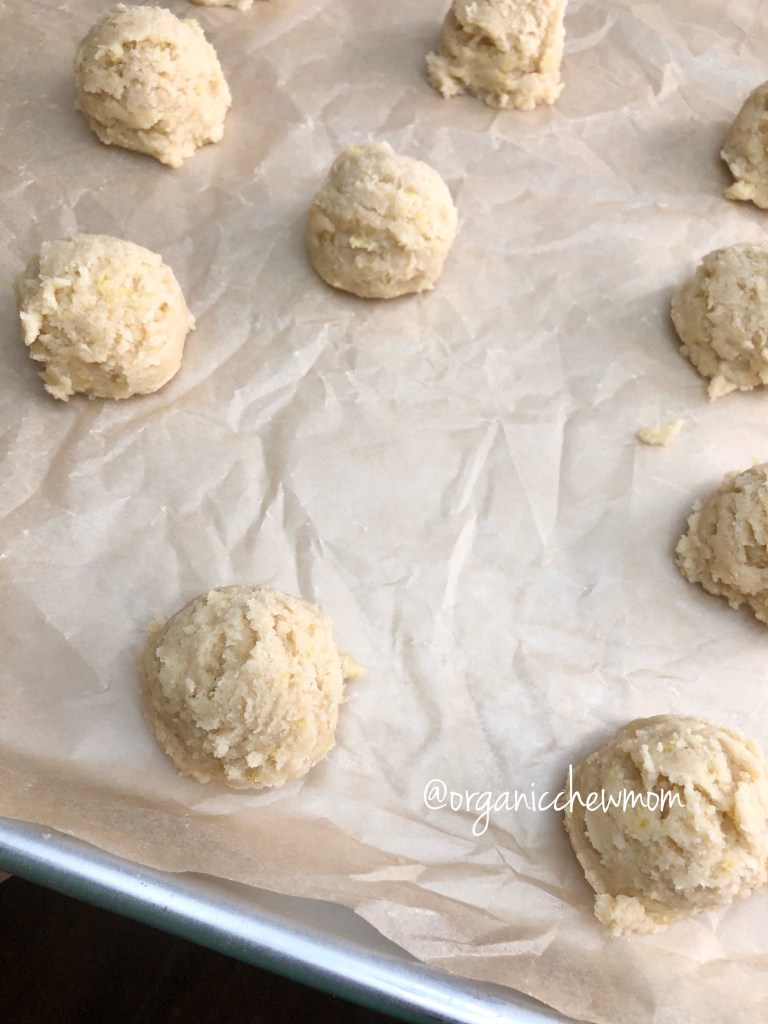
- Place small scoops or palm rolls of cookie dough onto a cookie sheet covered with parchment paper
- Bake at 325 degrees for 12 -15 minutes for soft and chewy results
- Remove from oven and cool at room temperature for 20 minutes
- Enjoy!
Folic Facts
In addition to Vitamin C, lemons also are a good source of folic acid. Folic acid intake is necessary during pregnancy as this nutrient is associated with prevention of neural birth defects of the brain such as anencephaly and spine (spina bifida). All women, especially those who may become pregnant are urged by the CDC to consume 400 mcg of folic acid in addition to including folate food sources such as dark leafy greens, beans and lentils in their diets. Regular consumption of folic acid is also important pre-pregnancy because women often discover they are pregnant beyond those early weeks of neural tube development. Most women opt to take a folic acid supplement since getting the recommended daily value exclusively through food sources can be challenging.
 Organic Chew Kitchen